

Understand Which Documents Require a Notary: Your Guide to Documents Requiring Notarization

Let’s face it - the world of notarization can feel a bit like a secret club. You know you need a notary for some documents, but which ones exactly? And why? If you’ve ever scratched your head wondering about documents requiring notarization, you’re not alone. I’m here to walk you through it in a friendly, straightforward way. By the end of this post, you’ll feel confident about when and why to call in a notary, especially if you’re dealing with important paperwork in New Jersey.
Why Do Some Documents Require Notarization?
You might be wondering, “Why can’t I just sign these papers and be done with it?” Well, notarization is like a safety net. It helps prevent fraud and ensures that the person signing the document is who they say they are. A notary public acts as an impartial witness, verifying identities and making sure everyone signs willingly.
Think of notarization as a way to add an official stamp of trust. When a document is notarized, it’s more likely to be accepted by courts, banks, and government agencies. This is especially important for legal and financial documents where the stakes are high.
Here’s a quick rundown of what notarization does for you:
Confirms the identity of the signer
Ensures the signer is signing voluntarily
Verifies the signer understands the document
Adds a layer of protection against fraud
So, if you want your documents to hold up under scrutiny, notarization is often the way to go.

Documents Requiring Notarization: What You Should Know
Now, let’s get to the heart of the matter: which documents require notarization? The answer isn’t always black and white because it depends on the type of document and the state laws. But generally, certain documents almost always need a notary’s seal.
Here are some common documents requiring notarization:
Real estate documents: Deeds, mortgages, and property transfers usually need notarization to be legally binding.
Loan documents: Promissory notes and loan agreements often require a notary to confirm the borrower’s identity.
Power of attorney: This document gives someone else the authority to act on your behalf and must be notarized to be valid.
Wills and trusts: While not all states require notarization for wills, trusts often do. NJ requires notarization for these documents.
Affidavits and sworn statements: These are written statements confirmed by oath or affirmation, requiring notarization.
Contracts: Some contracts, especially those involving large sums or legal obligations, may need notarization.
Business documents: Articles of incorporation, partnership agreements, and other official business paperwork often require a notary.
Keep in mind, the exact requirements can vary, so it’s always a good idea to check local laws or consult a professional.
If you’re curious about what documents need a notary, this link offers a detailed list tailored for New Jersey residents.
What Types of Documents Need Notarization?
Let’s dive a little deeper into the types of documents that typically need notarization. Understanding these categories can save you time and stress.
Real Estate Documents
Buying or selling property? You’ll almost certainly need a notary. Documents like deeds, mortgage agreements, and closing papers require notarization to ensure the transaction is legitimate and binding.
Financial Documents
Loans, refinancing papers, and promissory notes often need a notary’s seal. This protects lenders and borrowers alike by confirming identities and intentions.
Legal Documents
Power of attorney, affidavits, and sworn statements fall under this category. These documents often have serious legal consequences, so notarization helps prevent misuse.
Estate Planning Documents
Wills, trusts, and advance healthcare directives require notarization. This ensures your wishes are clear and legally recognized.
Business Documents
Incorporation papers, partnership agreements, and other official business filings often need notarization to be accepted by government agencies.
Personal Documents
Sometimes, personal documents like parental consent forms for travel or school require notarization to verify authenticity.
How to Prepare Your Documents for Notarization
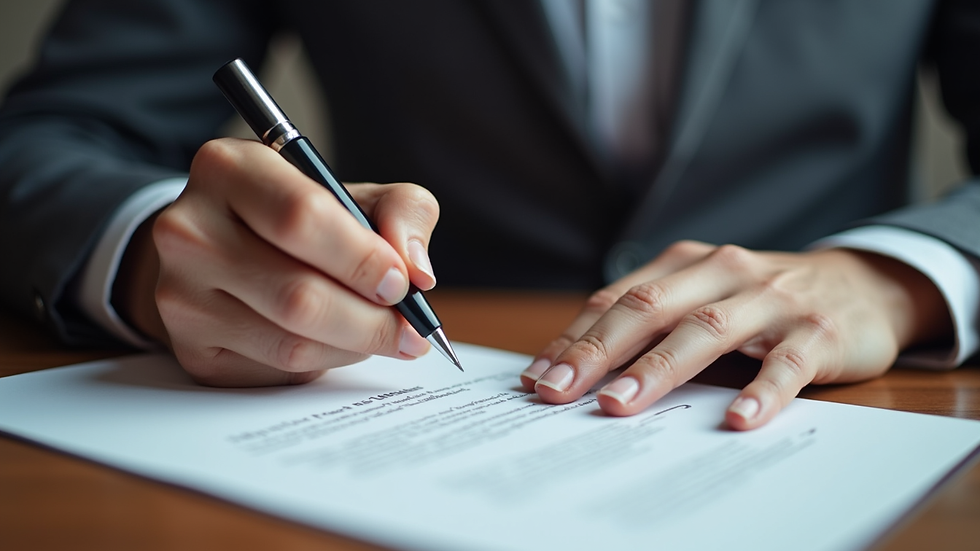
Getting your documents ready for notarization is easier than you might think. Here are some tips to make the process smooth:
Do not sign your documents beforehand. The notary needs to witness your signature.
Bring valid identification. A government-issued photo ID, such as a driver’s license or passport, is usually required.
Know your document. Make sure you understand what you’re signing. If you have questions, ask before the notarization.
Check for witnesses. Some documents require additional witnesses in addition to the notary.
Have all parties present. Everyone who needs to sign should be there at the same time.
By following these steps, you’ll avoid common hiccups and get your documents notarized quickly.
When Should You Consider a Mobile or Remote Notary?
Life gets busy, and sometimes getting to a notary’s office isn’t convenient. That’s where mobile and remote notary services come in handy. They bring the notary to you or allow you to complete the process online.
Mobile notaries are perfect if you’re dealing with real estate closings, loan signings, or any situation where multiple documents and signatures are involved. They come to your home, office, or even a coffee shop.
Remote online notarization (RON) is a newer option that lets you notarize documents via video call. This is especially useful if you’re out of state or prefer to avoid in-person meetings.
Both options offer flexibility and convenience without sacrificing the security and legality of notarization.
Final Thoughts on Documents Requiring Notarization
Navigating the world of notarization doesn’t have to be overwhelming. Knowing which documents require notarization and why can save you time, money, and headaches. Whether you’re signing a real estate deed, a power of attorney, or a loan agreement, a notary public is your trusted partner in making sure everything is above board.
If you’re in New Jersey and need a reliable, professional notary, consider services that come to you or offer remote notarization. It’s all about making the process easy and stress-free.
Remember, notarization is more than just a signature - it’s peace of mind.
Happy signing!


Comments